
what is igp?
IGP is an international working dog sport that originated in Germany in the early 1900s.
In its early days, it was used as a breed suitability test for German Shepherd dogs. Today, the sport is practiced worldwide and includes many working breeds. IGP evaluates a dog’s temperament, trainability, athletic ability, nerve stability, confidence and relationship with its handler.
The sport is divided into three phases:
-
Tracking tests the dog’s ability to follow a human scent trail across varied terrain while remaining calm, focused, and methodical.
Dogs must:
Follow the track accurately
Indicate articles left on the track
Navigate turns
Work through environmental distractions
Tracking develops concentration, patience, and problem-solving skills while strengthening the partnership between dog and handler.
-
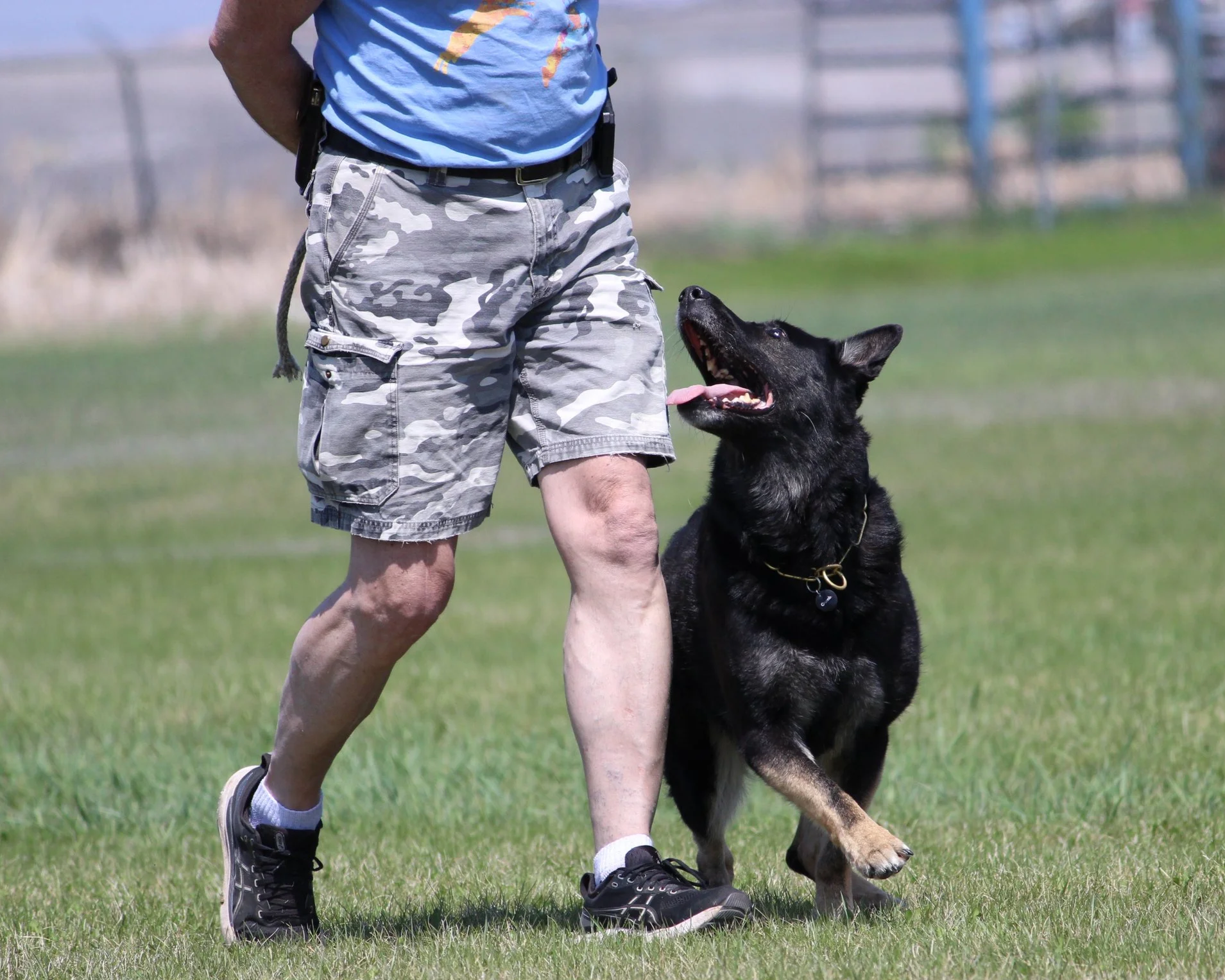
The obedience phase showcases precision, control, and teamwork.
Exercises include:
Heeling
Recalls
Retrieves
Jumps
Positions
Long down exercises under distraction
Dogs must perform confidently and enthusiastically both on and off leash while remaining attentive to their handler in busy environments.
-
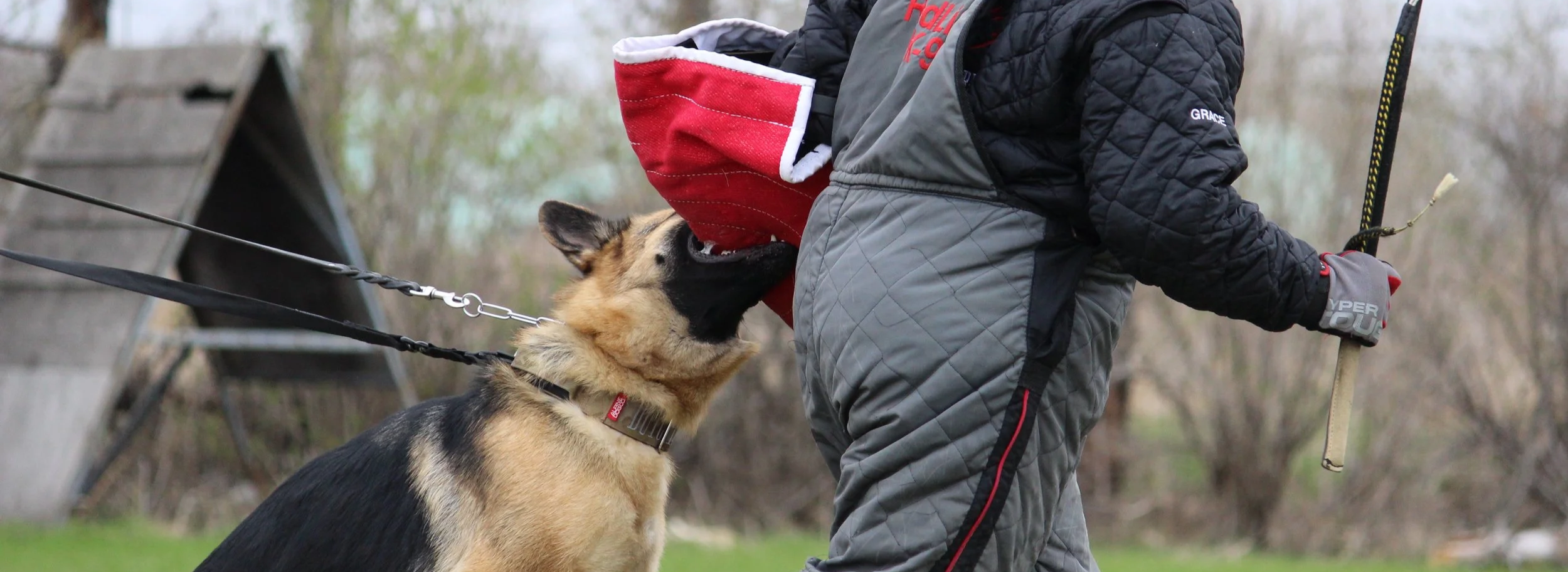
Protection is the most misunderstood phase of IGP.
This phase evaluates the dog’s courage, confidence, control, and obedience under stress. The dog learns to engage a helper in highly structured exercises and must immediately respond to the handler’s commands, including releasing on command and remaining under control at all times.
IGP protection training is not designed to create aggression. In fact:
Unstable or aggressive dogs are unsuitable for the sport
Dogs are evaluated heavily on control and temperament
The exercises are performed under strict rules and safety standards
A well-trained IGP dog is typically social, clear-headed, obedient, and safe in everyday life.
Titles and Progression
IGP is designed as a progressive sport, allowing handlers and dogs to build skills and experience over time. Teams begin by developing strong foundations in obedience, tracking, control, and temperament before advancing through the different title levels.
Most teams start with the BH-VT, an entry-level temperament and obedience evaluation that tests the dog’s stability in both training and real-world environments. The BH demonstrates that the dog is safe, controllable, and suitable to continue in the sport.
After earning a BH, teams can progress through the three IGP title levels:
IGP1 – Introduction to all three phases of the sport
IGP2 – Increased difficulty, precision, and endurance
IGP3 – The highest level of competition, requiring advanced skill, control, and teamwork
Additional titles are also available in obedience, endurance and advanced tracking disciplines.
Trials and Competition
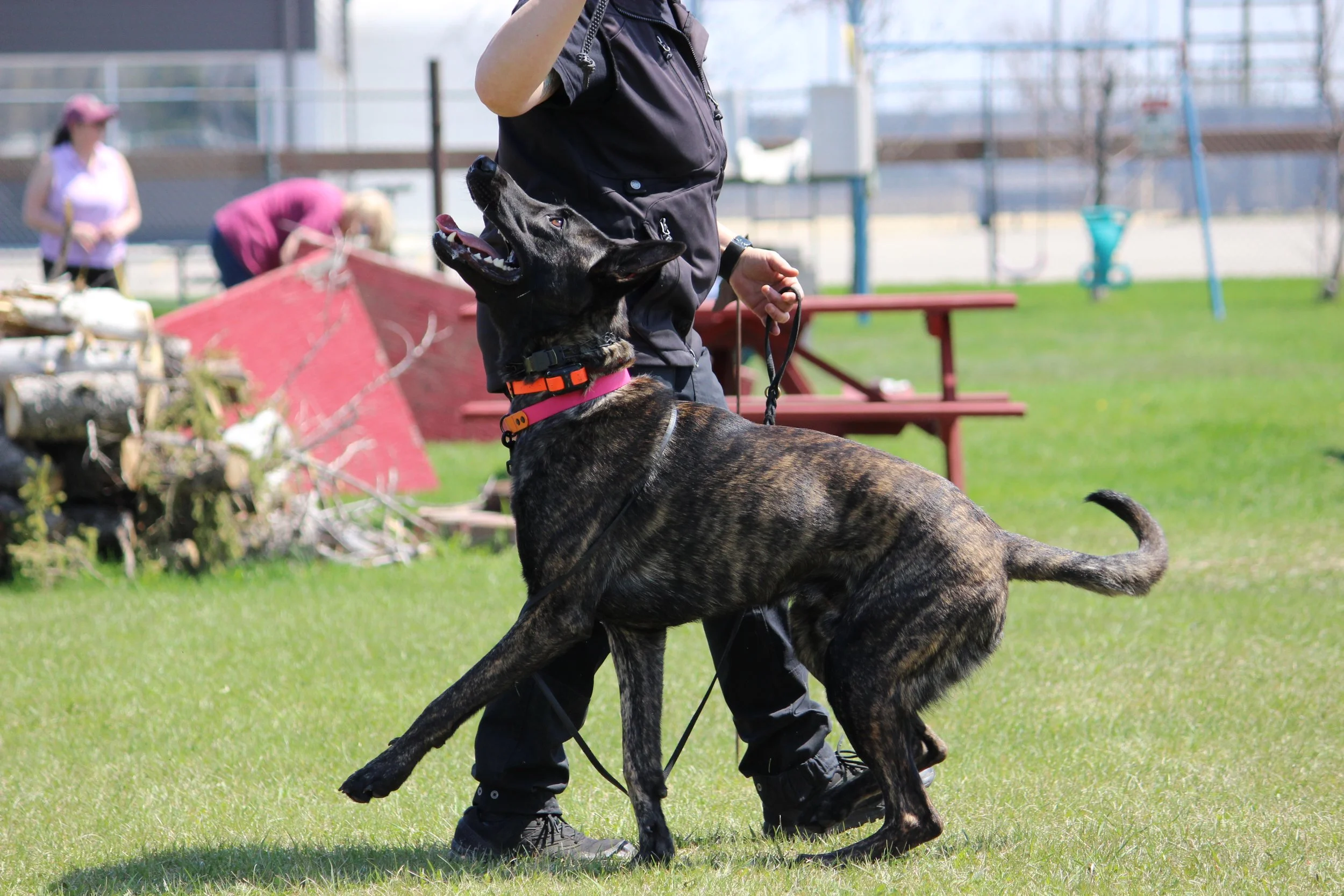
IGP clubs across Canada host sanctioned trials throughout the year where handlers and dogs can earn titles under certified judges. Trials are typically hosted by working dog clubs and may include competitors from multiple provinces and countries.
For many members, traveling to trials is one of the most rewarding parts of the sport. Competitors build friendships within the working dog community, support one another at events, and gain experience working in different environments and under different judges.
Advanced competitors may also qualify for regional championships, national championships and international competitions through organizations such as the GSSCC and WUSV.
While some members enjoy competing at high levels, many others participate recreationally for the challenge, training experience, and partnership they develop with their dogs.